Age 16 to 24 or still in school? YouthSkilledTrades.com is built for you.
HomeExplore TradesFind your fitFind Your TradeCareer AssessmentCareer LaddersSee the workTrade VideosSuccess StoriesWomen in the TradesSecond ChancesBlog and VideoAll resourcesFind TrainingProgramsFind ProgramsBrowse DirectoryApprenticeship ProgramsDOL Apprenticeship DataHelp along the wayVeteransState Job CentersSupport ServicesPay for ItCheck eligibilityFunding Eligibility CheckPell Grant CheckerWorkforce Pell by StateFind moneyFunding GuideScholarshipsGrants and IncentivesFree Tuition StatesPerkins V FundingToolsGet hiredResume BuilderCover Letter BuilderAI Mock InterviewAsk a ProZero to ApprenticeReadiness ChecklistFirst 90 DaysPlan and compareSalary CalculatorCollege vs. TradesSalary vs. Cost of LivingFor OrganizationsWork with usFor OrganizationsFor SchoolsEmployer ResourcesSponsorshipFree BadgeAboutAboutCommunity PartnersOur SponsorsPressContactMoreJob BoardGlobalFind a ProThe Ecosystem
2026 SCHOLARSHIP DIRECTORY

Pay less. Earn more.

Find scholarships, grants, and financial aid for your trade school or apprenticeship, plus the new Workforce Pell Grant launched July 1, 2026.

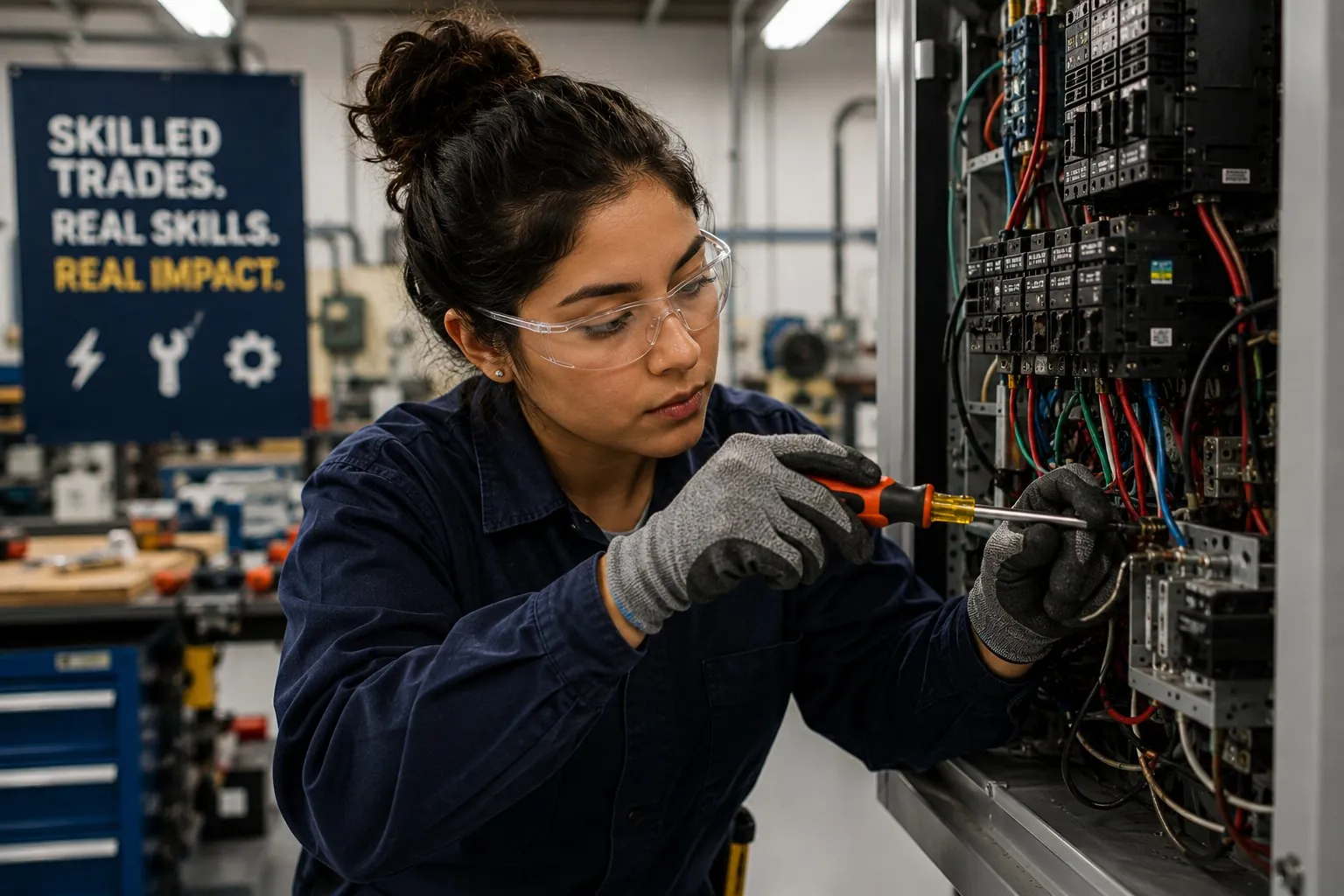
An electrician wiring a control panel

Workforce Pell Grant. Launching July 1, 2026

Short-term trade certificates (under 15 weeks) may now qualify for federal Pell Grant funding for the first time. This is big news for HVAC, welding, CDL, and other quick-entry trade programs.

Find Pell programs →

Get notified when new scholarships open

We add new scholarships and funding sources regularly. Drop your email and we'll let you know.

Common questions

Are there scholarships for trade school?

Yes. Trade associations, unions, manufacturers, and nonprofits offer scholarships specifically for skilled trades students.

How do I get financial aid for trade training?

Fill out the FAFSA first, then look at Workforce Pell, WIOA funding, state grants, and trade-specific scholarships. Many students combine several sources.

Do employers pay for trade training?

Many do. Apprenticeship sponsors, contractors, and manufacturers often cover training costs for employees, especially in high-demand trades.